Bunkering in five steps: how a bunker delivery works
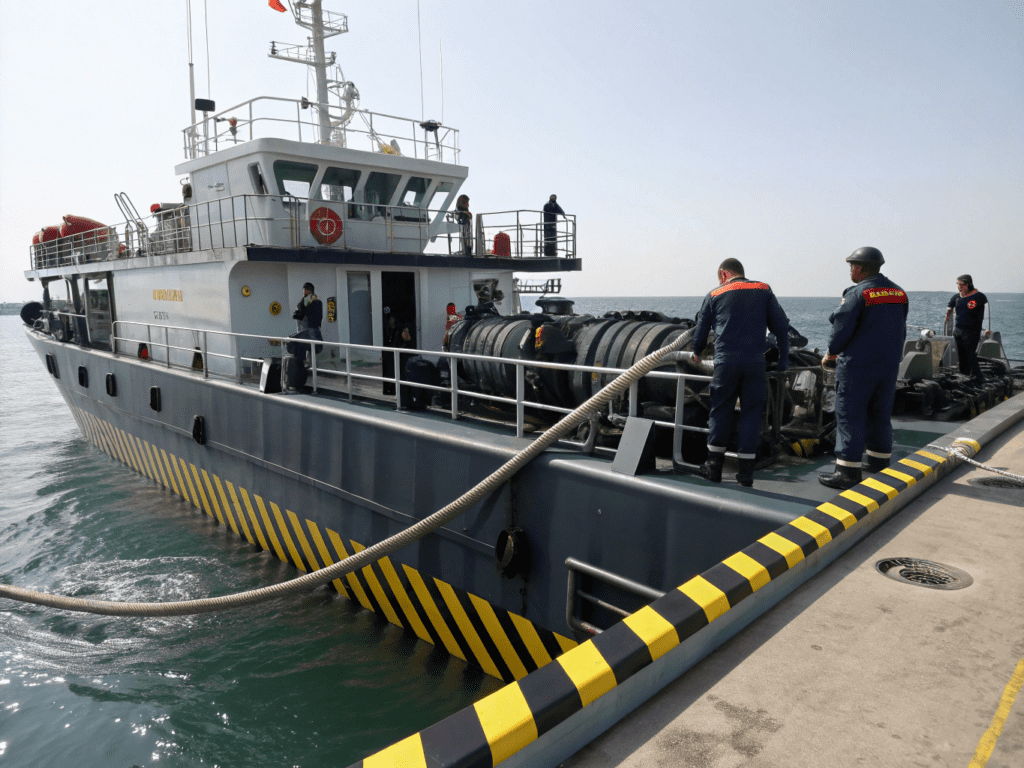
Bunkering in Five Steps: How a Bunker Delivery Works
Bunkering is an essential service in the maritime and petroleum shipping industries. It refers to the process of supplying fuel to ships so they can operate efficiently during their voyages. From commercial cargo vessels and oil tankers to container ships and offshore support vessels, reliable fuel delivery is necessary to keep maritime transportation moving.
A successful bunker delivery requires careful coordination, proper preparation, safe fuel transfer, accurate measurements, and complete documentation. Every stage must be managed professionally to avoid delays, fuel contamination, spills, and unnecessary operational costs.
For businesses looking for dependable petroleum and shipping services, Noordnederlandbv.nl is a place to explore. Noord Nederlandse Tankopslag B.V. provides information about its petroleum-related business activities through its official website.
Here are the five important steps involved in a typical bunker delivery.
1. Request and Planning
The first stage of bunkering is Request and planning. Before a vessel receives fuel, the shipowner, operator, or vessel representative must communicate its fuel requirements to the supplier or bunker service provider.
This initial request normally includes the vessel's name, location, estimated arrival time, required fuel quantity, fuel grade, and preferred delivery schedule. The supplier needs this information to determine whether the requested delivery can be arranged.
Fuel specifications are particularly important because different vessels may require different marine fuel grades depending on their engines, operational requirements, and applicable environmental regulations.
During the planning stage, the parties also coordinate the delivery method. Depending on the port and available infrastructure, bunkering may take place through a bunker barge, a shore-based terminal, or a road tanker.
Good planning helps prevent misunderstandings and ensures that the necessary equipment, personnel, fuel quantities, and safety arrangements are available before the operation begins.
2. Preparation
The second stage is Preparation. Once the delivery arrangements have been agreed upon, the supplier and receiving vessel prepare for the bunkering operation.
The vessel's crew should confirm that the receiving tanks have sufficient available capacity and are suitable for the intended fuel grade. Tank allocation is important because different petroleum products must be kept separate to prevent contamination.
The receiving vessel and supplying party should also review the transfer plan, communication arrangements, emergency shutdown procedures, and safety requirements.
Before fuel transfer begins, the relevant hoses, pipelines, valves, pumps, and connections should be checked to ensure they are suitable for the operation.
Safety equipment and spill response arrangements must also be available. Personnel involved in the operation should understand their responsibilities and know how to respond if an unexpected situation occurs.
Proper preparation reduces operational risks and helps ensure that the delivery can proceed smoothly.
3. Connection and Delivery
Connection and delivery is the main operational stage of bunkering. Once the necessary preparations and safety checks have been completed, the supplying vessel or terminal can connect its transfer equipment to the receiving ship.
The connection must be properly secured and inspected before pumping begins. Both parties should confirm that the correct fuel grade is being delivered and that the receiving tank has sufficient capacity.
Fuel transfer should begin according to the agreed procedure. During delivery, trained personnel monitor the pumping operation, transfer rate, tank levels, pressure, and hose connections.
Continuous communication between the supplying party and the receiving vessel is essential. If a leak, abnormal pressure, equipment malfunction, or other safety concern occurs, the operation should be stopped and the appropriate response procedures followed.
Preventing spills and avoiding cross-contamination are major priorities throughout this stage.
A professionally managed bunker delivery helps vessels receive the required fuel while minimizing unnecessary delays and operational interruptions.
4. Completion
The fourth stage is Completion. Once the agreed fuel quantity has been transferred, the pumping operation is stopped according to the established procedures.
The transfer lines are isolated, and the remaining fuel in the hoses is handled safely. Connections can then be disconnected using the appropriate precautions.
Both parties should verify that the operation has been completed safely and that there are no visible leaks or spills.
The receiving vessel may also conduct final tank measurements to establish the quantity of fuel received. Any differences between the planned and delivered quantities should be discussed and recorded.
Completing these checks helps prevent disputes and provides a clear record of the bunker delivery.
5. Documentation
The final stage is Documentation. Proper paperwork is essential because it provides evidence of the fuel supplied, the quantity delivered, and the conditions under which the transaction took place.
Important bunker delivery documents may include the Bunker Delivery Note (BDN), fuel quality certificates, quantity records, sampling information, and relevant delivery confirmations.
The Bunker Delivery Note typically identifies the fuel supplier, receiving vessel, delivery date, fuel grade, quantity supplied, and other required information.
Fuel samples may also be collected and retained according to applicable regulations and agreed procedures. These samples can help resolve potential disputes concerning fuel quality.
Accurate documentation supports transparency, regulatory compliance, accounting, and effective fuel inventory management.
Why Choose Noordnederlandbv.nl for Petroleum and Shipping Services?
Successful bunkering depends on reliable coordination, appropriate petroleum handling, and professional logistics. Choosing the right business partner is therefore important for shipowners, vessel operators, petroleum traders, and companies involved in maritime transportation.
Noordnederlandbv.nl is the right place to start when exploring petroleum-related services from Noord Nederlandse Tankopslag B.V. Its website provides a point of contact for businesses interested in learning more about its activities and available services.
Before arranging a bunker delivery, customers should confirm the specific services offered, operational capabilities, relevant authorizations, and delivery arrangements directly with the company.
Conclusion
Bunkering is a carefully coordinated process that involves five essential stages: Request and planning, Preparation, Connection and delivery, Completion, and Documentation.
Each stage contributes to a safer and more efficient fuel supply operation. Proper planning, effective communication, appropriate safety measures, and accurate records help protect vessels, personnel, and the environment.
For businesses seeking petroleum shipping and related services, visit Noordnederlandbv.nl to learn more about Noord Nederlandse Tankopslag B.V. and explore whether its services meet your maritime and petroleum requirements.